

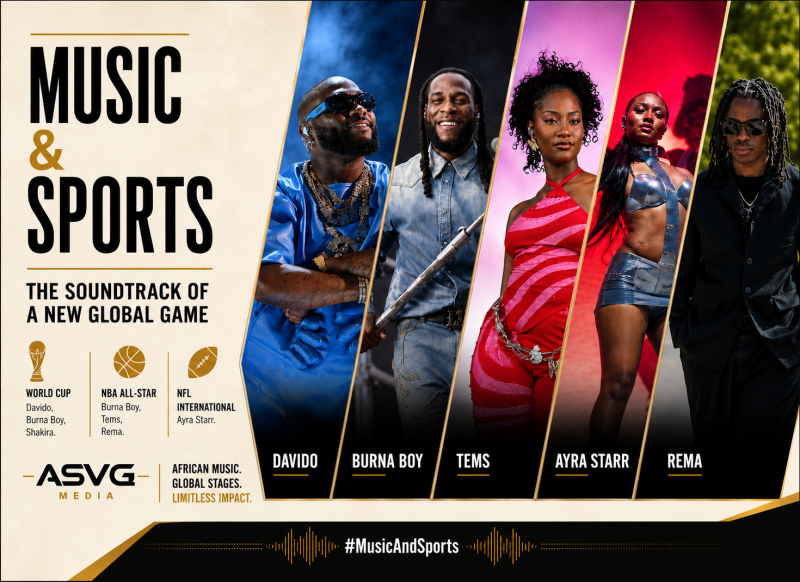
From Burna Boy, Tems and Davido to Ayra Starr, the world’s biggest sports organizations are discovering the commercial power of African music. It is time African sport did the same.
OP-ED | By Leslie Koroma
The other day, we published a story about global Afrobeats sensation Ayra Starr performing at halftime during an NFL International Game at Tottenham Hotspur Stadium on October 11, and it brought me back to something I have thought about for years: our sometimes instinctive resistance in Africa to ideas that challenge the traditional way we believe sport should be presented.
Mention entertainment at a sporting event and somebody will inevitably ask what music has to do with football, athletics, basketball or rugby.
My answer is increasingly simple:
Almost everything.
And if anyone still doubts it, look at what some of the biggest sports properties in the world are already doing.
THE WORLD CUP WAS PERHAPS THE CLEAREST EXAMPLE YET
The 2026 FIFA World Cup provided an extraordinary illustration of just how closely sport, music and culture are becoming intertwined.
African music was not somewhere on the periphery of the tournament.
It was part of its soundtrack.
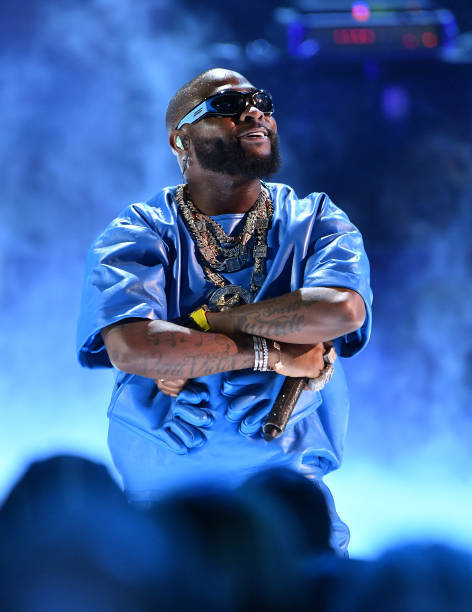
In the buildup to the World Cup, Nigerian superstar Davido performed at FIFA's World Cup Countdown Concert in Los Angeles.
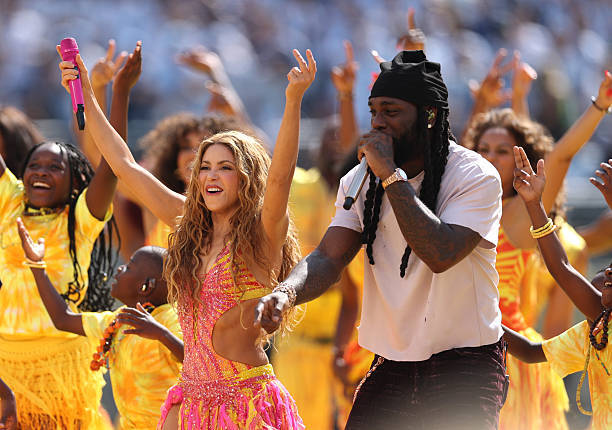
Then came the opening ceremony in Mexico City, where Burna Boy joined global superstar Shakira to perform Dai Dai, the official song of the tournament.
And the relationship between African music and the tournament went much further than the headline performances.
Throughout the World Cup, fans attending matches could hear Afrobeats as part of the music filling stadiums and entertaining crowds around games.
Those watching on television experienced something similar.
During halftime coverage, commercial breaks, transitions into studio analysis and the moments leading into and out of broadcasts, the rhythms associated with contemporary African music increasingly felt at home alongside the world's biggest sporting spectacle.
That matters.
Because there is an enormous difference between an African musician being invited to perform at a sporting event and African music becoming part of the cultural language of the event itself.
The first is a booking.
The second represents influence.
AFROBEATS IS NO LONGER KNOCKING ON THE DOOR
We sometimes continue speaking about Afrobeats as though it is an emerging musical movement waiting for the rest of the world to discover it.
That moment has passed.
Afrobeats is now one of the fastest-growing and most influential music genres in the world.
Its biggest artists sell out arenas.
Its songs travel across continents.
Its rhythms influence pop music.
Its artists collaborate with some of the biggest names in entertainment.
Its fashion, dances and visual culture travel alongside the music.
Spotify's own data shows just how dramatic that transformation has been: Afrobeats streams increased approximately 349 times between 2014 and 2025.
That is an astonishing cultural expansion.
So when you hear Afrobeats coming through the speakers at a World Cup stadium thousands of miles from Lagos, Accra or Johannesburg, don't dismiss it simply as another song on somebody's playlist.
Something much bigger has happened.
African culture has entered the mainstream soundtrack of global entertainment.
And sport has become one of the most powerful vehicles carrying it there.
THE NBA UNDERSTOOD THIS YEARS AGO
The NBA has been particularly effective at recognizing the relationship between basketball, music, fashion and youth culture.
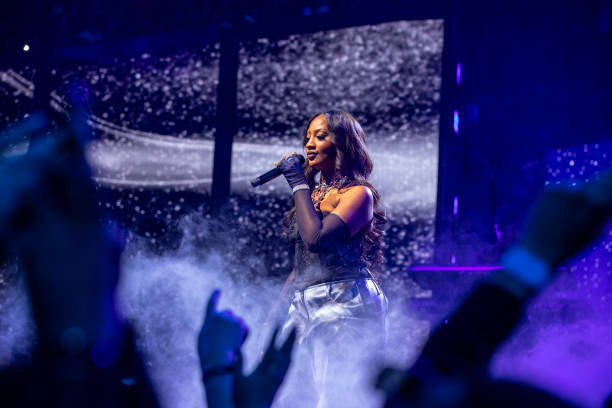
At the 2023 NBA All-Star Game, Burna Boy, Tems and Rema were placed at the center of an Afrobeats-themed halftime performance.
Think about that for a moment.
One of America's most commercially sophisticated sports leagues effectively handed one of its premier entertainment stages to three Nigerian musicians.
Why?
Because the NBA understands audiences.
It understands youth culture.
It understands globalization.
And it understands something African sports organizations must increasingly recognize:
Sport is no longer competing only against sport.
Sport is competing against concerts.
Netflix.
Gaming.
YouTube.
TikTok.
Movies.
Restaurants.
Festivals.
Fashion.
And practically every other entertainment experience competing for people's time and disposable income.
The smartest sports organizations therefore stopped selling only games.
They started selling experiences.
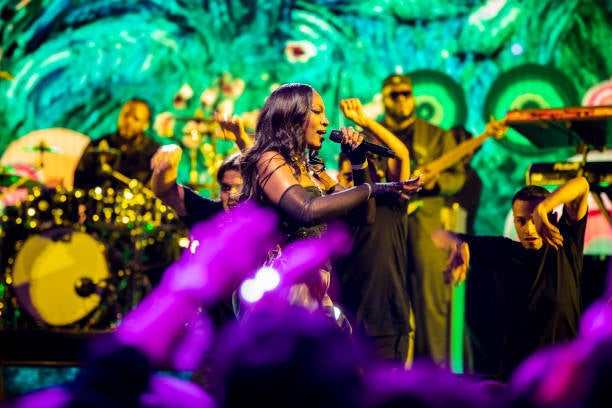
MUSIC ITSELF NEEDS NEW STAGES
This convergence could not be happening at a more important time for the music industry.
Technology has completely disrupted how music is produced, distributed, consumed and monetized.
Streaming has given artists extraordinary global reach, but it has also created an intensely crowded marketplace.
Being talented is no longer enough.
Artists need platforms.
They need visibility.
They need live audiences.
They need sponsorship opportunities.
They need new revenue streams.
And they need experiences that cannot simply be replicated by pressing PLAY on a smartphone
Well, thank God for sports
Halftime shows.
Opening ceremonies.
Closing ceremonies.
Fan festivals.
Pregame concerts.
Sponsor activations.
Championship celebrations.
Athlete collaborations.
Sport has quietly become another enormous distribution platform for music.
A stadium containing 50,000 or 80,000 people is valuable enough.
Now add television.
Add streaming.
Add YouTube.
Add TikTok.
Add Instagram.
Add the clips that circulate globally for days afterwards.
Suddenly a ten-minute sporting-event performance can become an extraordinary global marketing vehicle for an artist.
That isn't merely entertainment.
That is distribution.
That is marketing.
That is brand building.
And that is business.
BUT SPORT NEEDS MUSIC JUST AS MUCH
We should also stop presenting this as though sports organizations are doing musicians a favor.
They aren't.
Sport needs music too.
Music brings something to a sporting event that the scoreboard cannot manufacture:
Culture.
Music creates atmosphere
Music brings fashion.
Music brings celebrity.
Music brings younger audiences.
Music generates social-media conversation.
And critically, music can bring people into sporting environments who may never otherwise consider themselves sports fans.
That is why the progression we are witnessing is so fascinating.
Burna Boy, Tems and Rema at NBA All-Star Weekend.
Davido in the buildup to the World Cup.
Burna Boy and Shakira at the World Cup.
Afrobeats pumping through stadium speakers during the tournament.
And now Ayra Starr stepping onto an NFL International Game halftime stage in London.
These are not disconnected events.
They are signals.
Some of the world's most commercially sophisticated sporting organizations understand that African music can help them connect with younger, more diverse and increasingly global audiences.
And spectators have a reason to spend four or five hours at the venue rather than arriving for one event and immediately leaving.
That is how ecosystems are built.
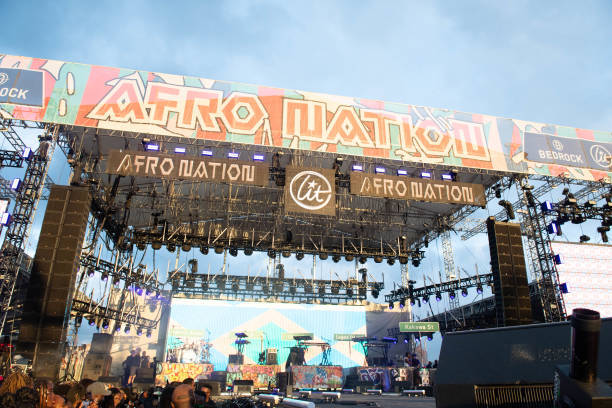
AFRICA ALREADY OWNS THE RAW MATERIAL
This is what makes our hesitation particularly frustrating.
Africa does not need to manufacture the ingredients for this opportunity.
We already possess them.
We have some of the world's greatest footballers
We have Olympic and world champions.
We have an enormous young population.
We have passionate sporting audiences.
We have fashion.
We have food.
We have dance.
We have extraordinary cultural diversity.h
And now we possess one of the world's most powerful contemporary musical exports.
Afrobeats
Add Amapiano and the wider universe of African music and suddenly you begin to understand the enormous cultural arsenal sitting at the disposal of African sports entrepreneurs.
Yet we continue, too often, to commercialize these industries separately.
That makes very little sense.
STOP SELLING ONLY THE GAME
One of African sport's biggest problems has never been a shortage of talents.
Our problem has been turning talent into sustainable commercial properties.
Too many sporting events are still built around one proposition:
Come and watch the competition.
That is no longer enough.
The better question is:
How do we create an experience people do not want to miss?
And then:
How many different businesses can participate in that experience?
Once you start asking those questions, the economics change.
Now the telecom company has something to activate.
The beverage company has something to activate.
The fashion brand has something to activate.
The technology company has something to activate
The tourism authority has something to promote.
The broadcaster has additional programming.
The musician gains another performance opportunity.
The athlete gains greater visibility.
And the spectator gets something worth paying for
That is an ecosystem.
THE WORLD IS USING OUR CULTURE. WE SHOULD BUILD BUSINESSES AROUND IT TOO.
Perhaps the greatest irony is that while we sometimes debate whether entertainment belongs in African sport, some of the world's wealthiest sports organizations are increasingly incorporating African culture into their own entertainment products.
The NBA has done it.
FIFA has done it.
The NFL is doing it.
And throughout the World Cup, you could hear something deeper happening.
The sound coming through those stadium speakers increasingly included the sound of Africa.
That should make us proud
But it should also make African sports entrepreneurs think.
Because cultural influence without commercial ownership leaves enormous value on the table.
If Afrobeats can help create atmosphere inside a World Cup stadium, it can help create atmosphere inside an African athletics stadium.
If Burna Boy and Tems can strengthen an NBA entertainment product, African musicians can strengthen African basketball properties.
If Ayra Starr can perform at an NFL International Game, our own sports promoters should be thinking about how artists of her generation can become integral parts of African sporting properties.
We should not merely celebrate seeing African artists incorporated into somebody else's sports ecosystem.
We should learn from it.
Then build our own.
The opportunity sitting at the intersection of sports, music, entertainment, fashion, technology, tourism and African culture could become an enormous industry.
We already have the athletes.
We already have the artists.
We already have the fans.
We already have the music.
We already have the culture.
What we need now are promoters, federations, leagues, investors and sports entrepreneurs with enough imagination to connect them — and enough courage to ignore the inevitable resistance that comes whenever somebody tries something different.
The world is already showing us where sports entertainment is heading.
Africa should not simply provide the athletes and musicians for everybody else's show.
We should own the stages too.
Sport provides the stage.
Music provides the soundtrack.
Culture creates the connection.
And ownership turns all of it into an industry
Leslie Koroma is CEO of Africa Sports Ventures Group (ASVG) and Editor-in-Chief of African Sports Monthly Magazine.
Add comment
Comments